


Just a couple of years ago, most people used AI mainly for chatting, writing emails, or generating images. Now, AI is starting to do things on its own. That’s why terms like AI agents, agentic AI, and agentic workflows are suddenly everywhere.
Companies are talking about AI systems that can plan tasks, make decisions, use software tools, and complete work with very little human input. Students are hearing about new AI career trends. Professionals are wondering how AI workflow automation will affect their jobs.
So what’s really going on?
In simple terms, agentic workflows are the next step in AI evolution. Instead of just responding to prompts, AI systems are beginning to act more independently to achieve goals.
In this blog, we’ll break down what are agentic workflows, how they work, where they’re already being used, and why they matter for the future of work.
What Are Agentic Workflows?
An agentic workflow is a process where an AI system can complete tasks with a level of autonomy instead of waiting for constant human instructions.
Think about a normal AI chatbot. You ask a question, and it gives an answer. Then it stops.
But agentic AI works differently.
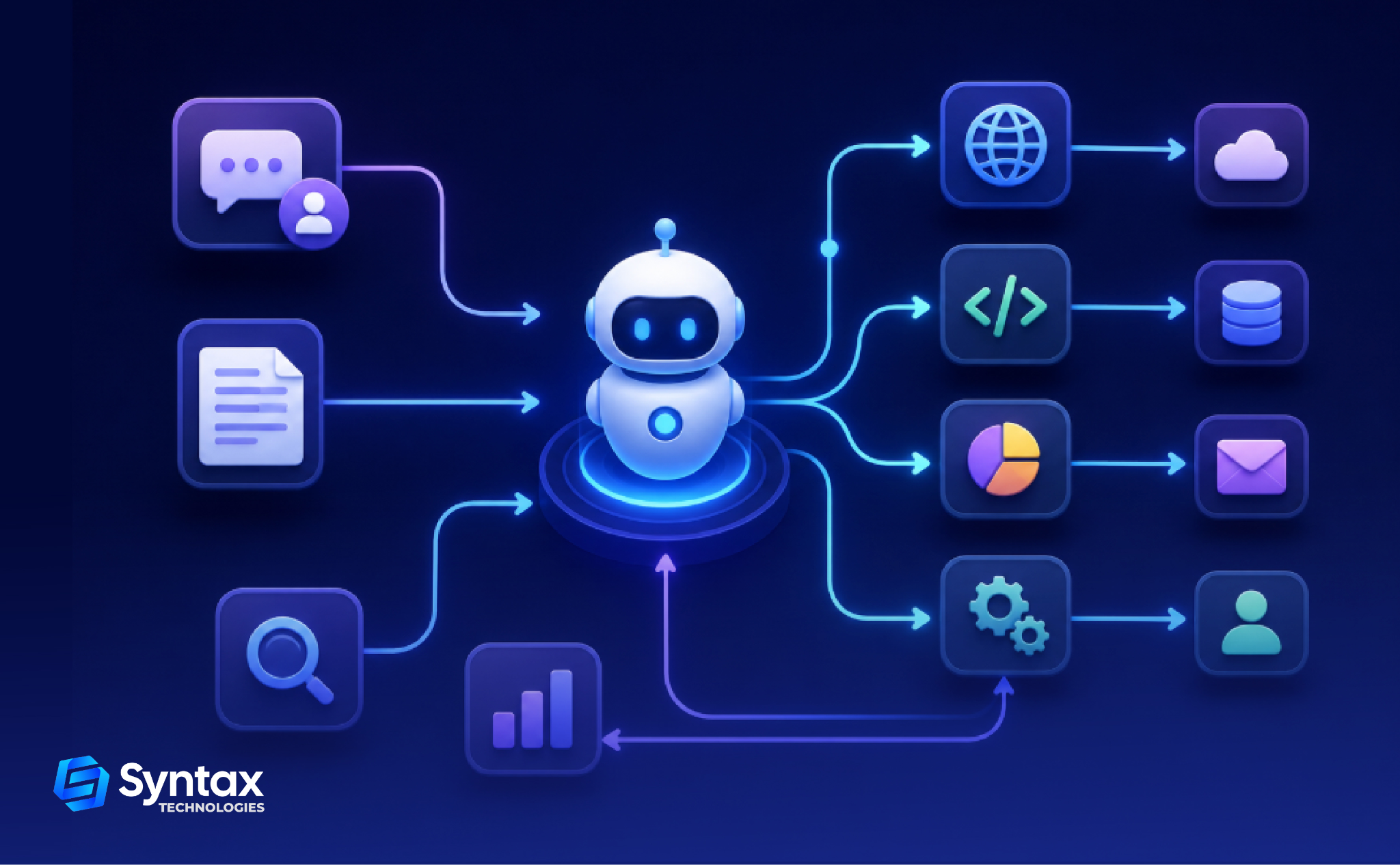
An AI agent can:
- Understand a goal
- Plan the steps needed
- Use tools or software
- Make decisions along the way
- Remember previous information
- Adjust its actions if something changes
That’s what makes it “agentic.”
So when people ask, “what are agentic workflows?”, the easiest answer is this:
Agentic workflows are AI-powered workflows where AI agents independently plan, decide, and take actions to complete tasks.
These workflows are becoming a major part of AI workflow automation and the broader shift toward autonomous AI systems.

How Agentic Workflows Actually Work
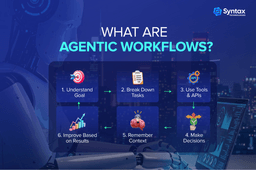
1. Understanding the Goal
Everything starts with a goal.
For example:
- “Find the best candidates for this role.”
- “Analyze customer feedback.”
- “Book my meetings for next week.”
The AI agent first interprets what the user wants.
This step involves natural language understanding and AI decision making.
2. Breaking the Task Into Steps
Next, the AI creates a plan. Instead of treating the request as one giant task, it divides it into smaller actions.
For example, a recruitment workflow might include:
- Searching resumes
- Ranking candidates
- Scheduling interviews
- Sending updates
3. Using Tools or APIs
Many AI automation tools connect with apps like:
- Google Workspace
- Slack
- CRMs
- Databases
- Email platforms
The AI agent can interact with these systems through APIs or integrations.
For example, an AI assistant might:
- Read documents
- Update spreadsheets
- Send emails
- Pull analytics reports
This is where workflow automation with AI becomes practical in real workplaces.
4. Making Decisions
Agentic workflows also involve reasoning.
If something changes, the AI can adapt.
For instance:
- If a customer sounds unhappy, escalate the ticket
- If data is incomplete, ask for clarification
- If a task fails, retry another method
This makes autonomous AI systems more flexible than older automation software.
5. Remembering Context
Another important feature is memory. AI agents can remember:
- Previous conversations
- User preferences
- Past tasks
- Project history
That allows more personalized and efficient interactions.
6. Improving Based on Results
Some generative AI workflows can analyze outcomes and improve over time.
For example:
- Marketing AI can learn which campaigns perform better
- Customer support AI can improve responses
- AI research assistants can refine search strategies
This continuous learning is a major reason businesses are investing heavily in agentic AI.
Real-World Examples of Agentic Workflows
Agentic workflows are already being used across industries to automate tasks, improve productivity, and support faster decision-making. Unlike basic automation, these AI-powered workflows can understand goals, make decisions, and complete multi-step tasks independently.
Here are some common examples of AI agents in business today:
Customer Support Automation
AI agents can:
- Answer customer questions
- Escalate complex issues
- Track support tickets
- Send follow-up responses
This helps businesses provide faster, 24/7 customer service while reducing repetitive work for support teams.
AI Research Assistants
AI research tools help users:
- Summarize articles
- Gather information quickly
- Organize notes
- Suggest useful insights
Students, researchers, and professionals use these tools to save time and improve efficiency.
AI Coding Assistants
Developers use AI agents to:
- Generate code
- Detect bugs
- Suggest fixes
- Create documentation
Some advanced systems can even complete multi-step coding tasks with minimal human input.
Marketing Automation
Modern AI workflow automation helps marketing teams:
- Create content
- Schedule campaigns
- Analyze audience behavior
- Optimize advertisements
These tools are becoming an important part of generative AI workflows.
Recruitment Workflows
AI agents in recruitment can:
- Screen resumes
- Rank candidates
- Schedule interviews
- Send follow-up emails
This improves hiring efficiency and reduces administrative work.
Personal Productivity Assistants
AI productivity tools can:
- Organize calendars
- Summarize meetings
- Draft emails
- Create task lists
These assistants help professionals manage workloads more effectively and improve daily productivity.
As agentic AI continues to evolve, more industries are expected to adopt intelligent automation and autonomous AI systems in everyday workflows.
Are Agentic Workflows Replacing Jobs?
Some repetitive jobs may change significantly because of AI automation tools. But many roles will evolve instead of disappearing completely.
For example:
- Customer support workers may focus on complex cases
- Marketers may spend more time on strategy
- Recruiters may focus more on relationship-building
At the same time, new opportunities are emerging.
Companies increasingly want employees who understand:
- AI in the workplace
- AI-assisted productivity
- Intelligent automation
- AI workflow systems
People who learn how AI agents work may become more valuable in future workplaces.
The Future of Agentic Workflows
Right now, many systems are limited to specific tasks. But AI agents are becoming more capable every year.
In the future, workplaces may include:
- AI project assistants
- AI scheduling coordinators
- Multi-agent systems working together
- AI-driven research teams
- Intelligent workflow managers
The biggest shift may not be humans versus AI.
It may become humans working with AI every day.
That’s why understanding the future of AI workflows is becoming increasingly important for students, professionals, and businesses alike.
Conclusion
Agentic workflows represent a major shift in how AI works.
Instead of simply answering questions, AI agents can now plan tasks, make decisions, use tools, and complete workflows more independently. From customer support to marketing to personal productivity, AI-powered workflows are already changing how work gets done.
At the same time, this technology is creating new opportunities for people who understand AI tools, automation, and intelligent workflows. You don’t need to become an AI engineer overnight. But learning the basics of agentic AI today could help you stay relevant in the workplaces of tomorrow.