


You’ve probably seen the headlines—AI is writing code, layoffs are making waves, and suddenly everyone is questioning their career choices. If you’re someone working in tech (or trying to break into it), one question keeps popping up: Is it still worth becoming a developer?
It’s a fair question. The tech landscape is evolving fast, and what worked five years ago doesn’t always apply today. In this blog, we’ll break down whether transitioning into a developer role still makes sense, what the future looks like, and how you can decide if it’s the right move for you.
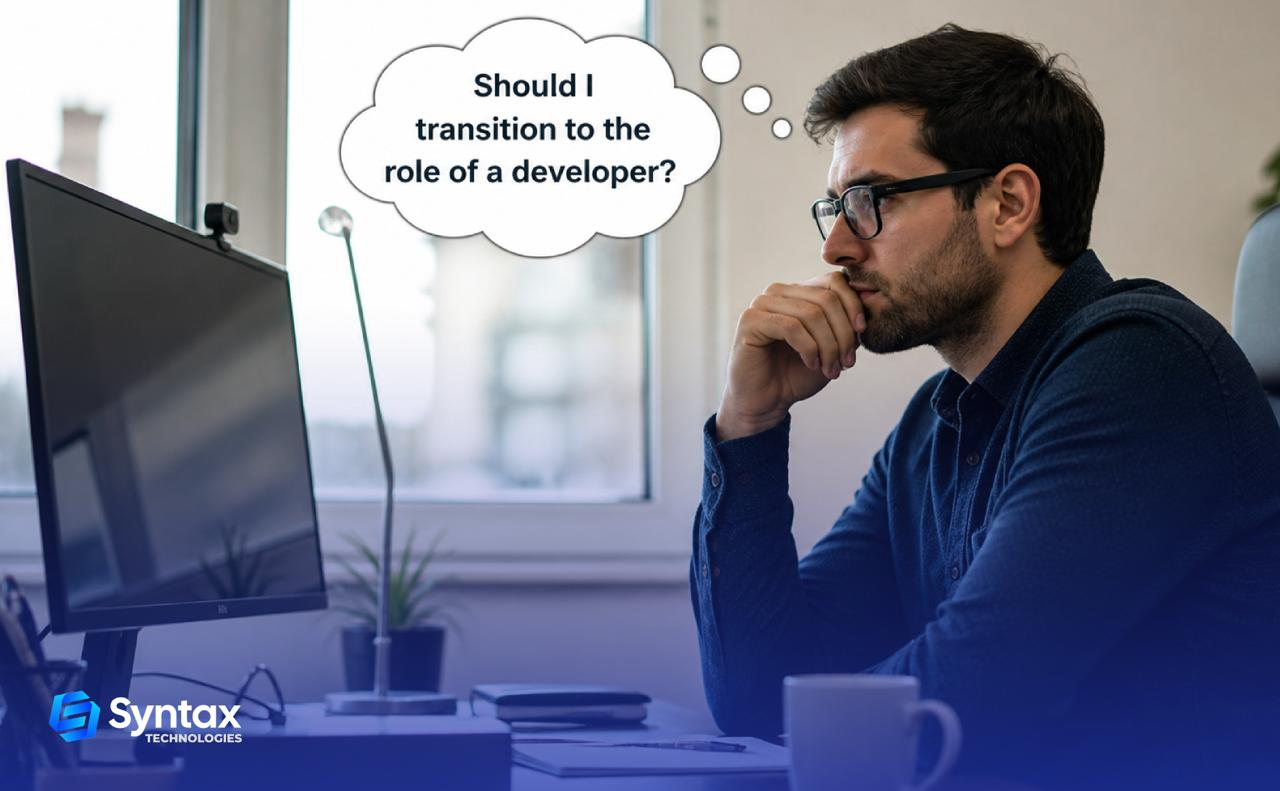
Is Developer Role Still Valuable Today?
Let’s address the big question head-on: is developer role still valuable?
Short answer—yes, but with a twist.
Developers are still at the core of building digital products. Every app, website, or software tool relies on developers to bring ideas to life. However, the nature of development is changing. With AI tools like code assistants and automation platforms, developers are no longer just “code writers”—they’re problem solvers, system thinkers, and integrators.
So, while the role is still valuable, the expectations from developers have evolved.
Developer Career Growth 2026 and Beyond
When we talk about developer career growth 2026, it’s not just about climbing a ladder—it’s about branching out.
Developers today can specialize in:
- Frontend (UI/UX-focused development)
- Backend (server-side logic)
- Full-stack development
- AI and machine learning integration
- Cloud and DevOps
The future favors developers who are adaptable. Instead of sticking to one language or framework, successful developers continuously learn and evolve. Career growth is no longer linear—it’s dynamic and skill-driven.
Why Developers Feel Undervalued
So, why developers feel undervalued despite being in demand? It often comes down to how their work is perceived:
- Impact vs Output Gap: Shipping features gets noticed; fixing critical issues or improving performance often doesn’t.
- “AI Makes It Easy” Myth: Code generators create the illusion that development is simple, downplaying real expertise.
- Endless Rework: Changing requirements mean developers rebuild the same things—effort that rarely gets recognized.
- High Responsibility, Low Control: Tight deadlines, but little say in scope or planning.
- Invisible Work: Bug fixes and maintenance keep systems alive, yet get minimal appreciation.
- Always Learning, Rarely Acknowledged: Constant upskilling is expected—but not always valued.
In short, it’s not a lack of demand—it’s a gap between effort and recognition that creates this feeling.
Software Development Career Future
The software development career future isn’t disappearing—it’s shifting in how value is created.
- AI as a Co-Pilot, Not a Replacement: Developers are using AI to write code faster, but human logic and decision-making still drive outcomes.
- Rise of Low-Code/No-Code: Simple apps are easier to build, but complex systems still need skilled developers.
- Shift from Coding to Problem-Solving: Writing code is just the baseline—designing scalable solutions is the real differentiator.
- Specialization Matters More: Roles in AI integration, cloud, and system design are becoming more valuable.
- Adaptability is Key: Developers who continuously learn and evolve will stay relevant.

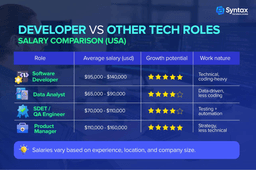
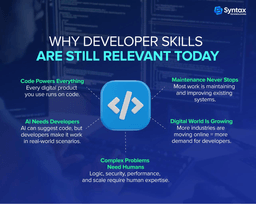
Developer Skill Relevance Today
Let’s talk about developer skill relevance today—because despite all the AI hype, these skills are still at the core of the digital world.
- Code Still Powers Everything: Apps, websites, payment systems—none of it works without developers behind the scenes.
- AI Needs Human Oversight: AI can generate code, but developers are the ones who validate, fix, and make it usable in real systems.
- Complex Systems Need Expertise: Security, scalability, and performance aren’t things automation can fully handle.
- Most Work is Maintenance: Businesses rely heavily on improving existing systems, not just building new ones.
- Digital Growth = More Demand: As industries go digital, the need for developers continues to grow.
In short, tools are evolving—but developer skills remain the foundation that keeps technology running.

Should YOU Transition?
Now comes the most important question—should you make the switch?
You should consider transitioning if:
- You enjoy solving logical problems
- You’re willing to continuously learn
- You like building things from scratch
- You’re comfortable with technical challenges
You might want to reconsider if:
- You’re looking for a quick, low-effort career switch
- You dislike continuous upskilling
- You prefer non-technical or people-centric roles
A smart alternative for many is starting with roles that combine testing and development. For example, an SDET (Software Development Engineer in Test) role offers a balanced entry into coding, automation, and real-world software workflows.
If you’re exploring this path, programs like the SDET course by Syntax Technologies can help you build practical skills and ease into the development ecosystem without feeling overwhelmed.
Conclusion
So, is transitioning to a developer role worth it?
The answer isn’t a simple yes or no—it depends on your mindset, interests, and willingness to adapt. The role is still highly relevant, the opportunities are real, and the software developer job market value remains strong. But success today requires more than just coding—it demands curiosity, adaptability, and continuous growth.
If you’re ready to embrace that challenge, a developer career can be incredibly rewarding. And if not, the tech world still offers plenty of paths where your skills can shine.