


If you’ve sent dozens of proposals on Upwork, lowered your rates on Fiverr, and still wondered why finding clients feels harder than ever, you’re not imagining things.
The freelance game has changed.
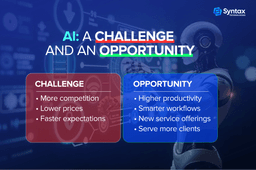
AI can generate first drafts in seconds. Thousands of new freelancers enter the market every day. Clients expect faster turnarounds for lower prices. The result is an AI-powered freelance grind: more effort, more competition, and often less reward.
But here’s the important part: this doesn’t mean the future of freelancing is doomed.
It means the old solution no longer works.
The Real Problem Isn’t Upwork or Fiverr
Traditional freelance platforms were designed to make talent discoverable. For years, they worked remarkably well.
Then three things happened at once:
- Global competition exploded.
- AI lowered the barrier to entry.
- Platform algorithms became gatekeepers.
Today, many freelancers compete in a crowded freelance marketplace where visibility depends on reviews, rankings, response times, and pricing. That creates a race to the bottom.
The more interchangeable your service appears, the easier it becomes for clients to choose whoever is cheapest. That’s why talented professionals often feel trapped.
How AI Is Changing Freelancing
AI is making certain services easier to produce:
- Basic blog posts
- Social media captions
- Simple graphic designs
- Research summaries
- Data cleanup tasks
That increases freelance competition and puts pressure on pricing. But AI also gives freelancers leverage. Using AI tools for freelancers, professionals can:
- Research faster.
- Automate repetitive tasks.
- Improve workflows.
- Deliver projects more efficiently.
- Serve more clients without burning out.
The winners in freelancing in 2026 won’t be the people who avoid AI. They’ll be the people who combine AI with human judgment.

Beyond Upwork and Fiverr: Where the Best Opportunities Are
Escaping the grind doesn’t necessarily mean leaving platforms overnight. It means building additional channels for client acquisition.
Build a Personal Brand
People trust people.
Sharing insights on LinkedIn, publishing case studies, or discussing lessons from your work positions you as an expert instead of another profile in a search result.
Specialize
Generalists often compete on price. Specialists compete on outcomes.
Instead of being a “copywriter,” become a copywriter for SaaS companies. Instead of a “data analyst,” focus on healthcare analytics.
Niche expertise leads to better clients and stronger positioning.
Pursue Direct Outreach
Identify businesses you can help. Reach out with ideas, observations, and solutions. It’s slower at first, but far less crowded than public platforms.
Lean Into Referrals
One satisfied client can generate years of work. Ask for introductions. Stay in touch. Build relationships instead of constantly hunting for strangers.
Explore Productized Services
Package what you do. Instead of custom proposals, offer fixed solutions with defined outcomes. Clients buy clarity.
Create Assets You Own
The creator economy offers alternatives to billable hours.
Consider building:
- Templates
- Courses
- Newsletters
- Digital products
- Communities
Income streams you own create resilience.
The Skills AI Can’t Easily Replace
Clients increasingly lay emphasis on abilities that go beyond execution.
These include:
- Strategic thinking
- Problem-solving
- Communication
- Industry knowledge
- Relationship building
- Consulting ability
AI can draft an email.
It can’t navigate office politics, understand business goals, build trust with stakeholders, or advise a client through uncertainty. Those are the high-income skills shaping the future of freelancing.
Final Thoughts
If freelancing feels harder than it used to, you’re not imagining it. The landscape has changed.
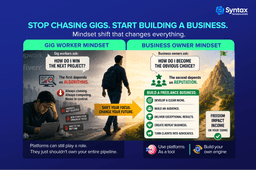
Use platforms like Upwork and Fiverr if they bring you opportunities—but don’t build your entire future on rented ground.
Invest in the things that compound: your expertise, your reputation, your relationships, and your ability to solve real problems.